H2O Reclaimed Services
Water Treatment Plant
About Water Treatment Plants
Water Treatment Plant, WTP Plant, Turnkey Project for Water Treatment Plant Manufacturer, Exporter in Gujarat, India
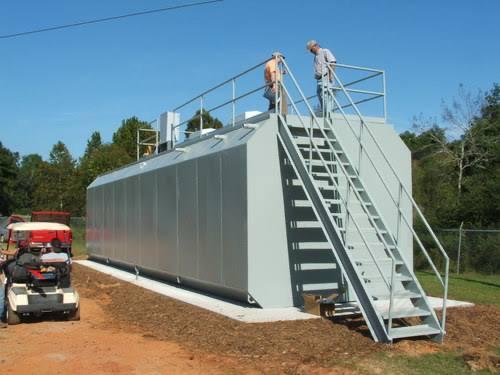
We are Manufacturer, Supplier, Exporter, Consultants (and also Installation, Commissioning, Consultancy Services Provider) of Water Treatment Plants from Gujarat, India. A combination selected from the above processes (depending on the season and contaminants and chemicals present in the raw water) is used for water treatment worldwide.
Our Treatment Process
Source Water Intake
We source our water from mainly industrial wastewater and domestic sewage. Wastewater treatment plants are designed using a combination of physical, chemical and biological processes, so that treated water could be discharged in the environment or reused further.. Our intake systems are designed to minimize the impact on local ecosystems while providing a reliable supply of raw water.
Screening and Pre-treatment
Screening: Large debris such as leaves, branches, and trash are removed using coarse screens.
Pre-treatment: This step involves adding chemicals to remove suspended solids and other impurities. Coagulants are added to bind particles together, forming larger clumps that can be easily removed.
Coagulation and Flocculation
Coagulation: Chemicals (coagulants) are added to the water to neutralize charges and allow particles to stick together.
Flocculation: The water is slowly stirred, causing smaller particles to form larger clusters called flocs.
Sedimentation
The floc-laden water is then moved to sedimentation tanks where the heavy flocs settle to the bottom. This process effectively removes most of the suspended particles from the water.
Filtration
The clear water above the settled flocs is passed through filters made of sand, gravel, and charcoal. These filters remove smaller particles and microorganisms, ensuring the water is clear and free of contaminants.
Disinfection
To ensure the water is safe to drink, we use disinfection methods such as chlorination, UV light, or ozone treatment to kill any remaining bacteria, viruses, and other pathogens.
pH Adjustment and Corrosion Control
We adjust the pH of the water to prevent corrosion in the distribution system and to make the water more palatable. This step helps in protecting both our infrastructure and your home plumbing.
Fluoridation
In accordance with public health guidelines, we add fluoride to the water to help prevent tooth decay and promote dental health in the community.
Storage and Distribution
Treated water is stored in secure, sanitary reservoirs and then distributed through a network of pipes to homes, businesses, and public facilities. We continuously monitor the water quality to ensure it remains safe and clean throughout the distribution system.
Commitment to Quality and Safety
Regular Monitoring: Our water quality is rigorously tested at various stages of the treatment process. We adhere to the standards set by the Environmental Protection Agency (EPA) and other regulatory bodies.
Certified Professionals: Our team consists of certified water treatment specialists who are dedicated to maintaining and improving our treatment processes.
Community Engagement: We believe in transparency and regularly publish water quality reports. We also offer tours of our treatment facilities and educational programs to help the community understand the importance of water treatment.